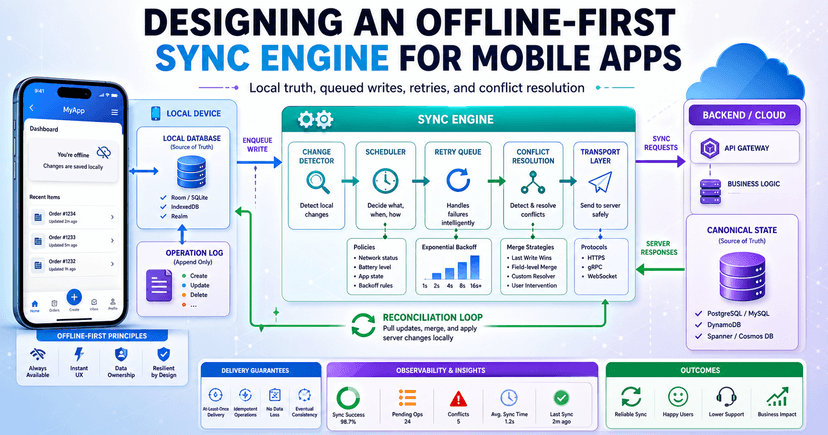
Designing an Offline-First Sync Engine for Mobile Apps→
A deep dive into building a reliable sync engine that keeps mobile apps functional without connectivity, covering conflict resolution, queue management, and real-world trade-offs.
A deep dive into building a reliable sync engine that keeps mobile apps functional without connectivity, covering conflict resolution, queue management, and real-world trade-offs.
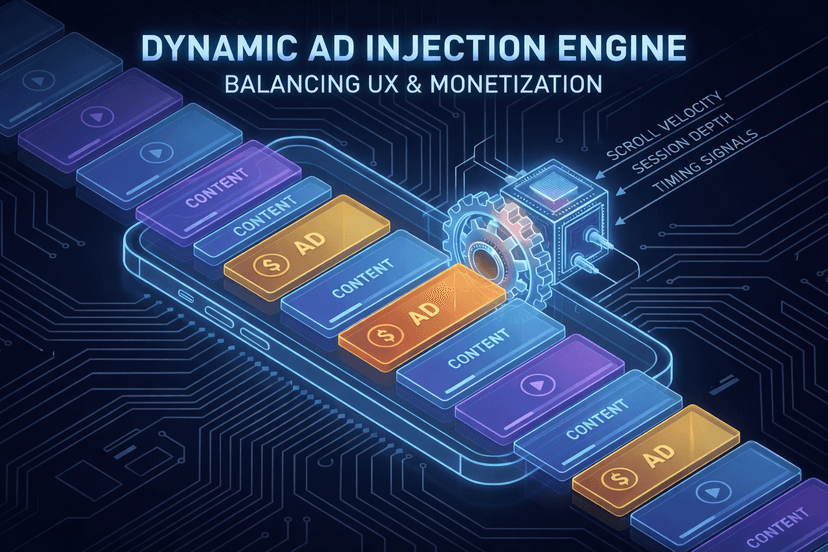
How ad injection works in short-form video feeds: timing heuristics, frequency capping, impression recovery, and the trade-offs behind monetization.

How ad delivery decisions actually get made on mobile: the stakeholders, trade-offs, and engineering reality behind every ad you see in a feed.
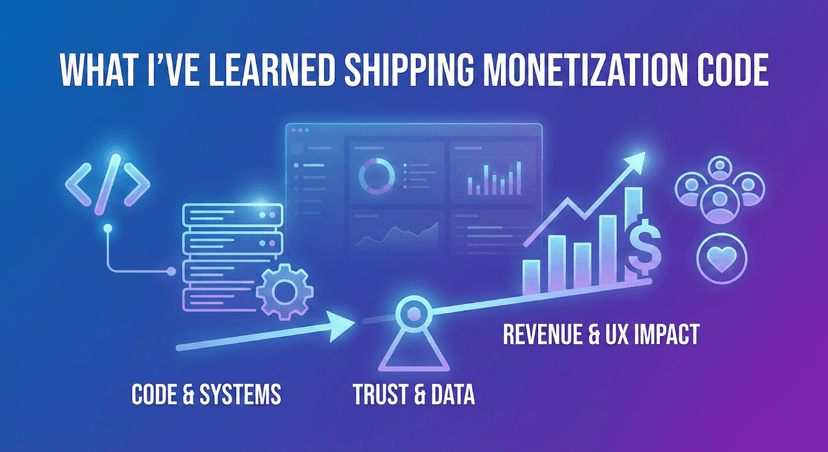
Hard-won lessons from writing code that directly impacts revenue at massive scale. What actually matters when your diff can move millions of dollars.
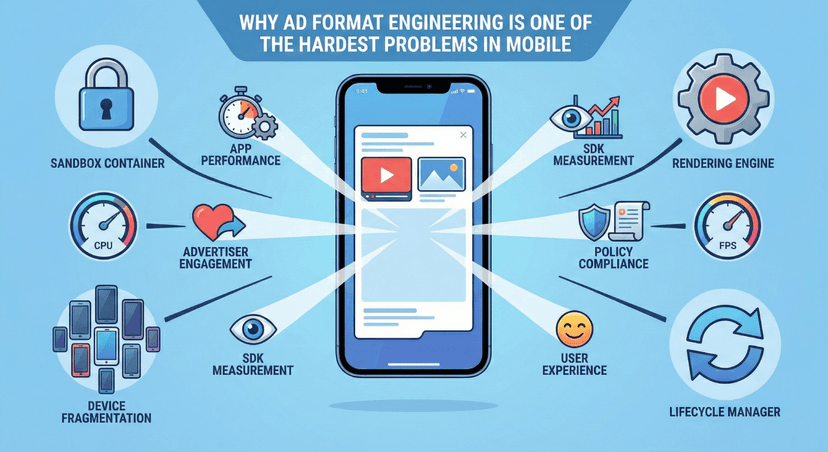
Ad formats look simple from the outside, but behind each one is engineering complexity touching rendering, performance, measurement, and user experience.
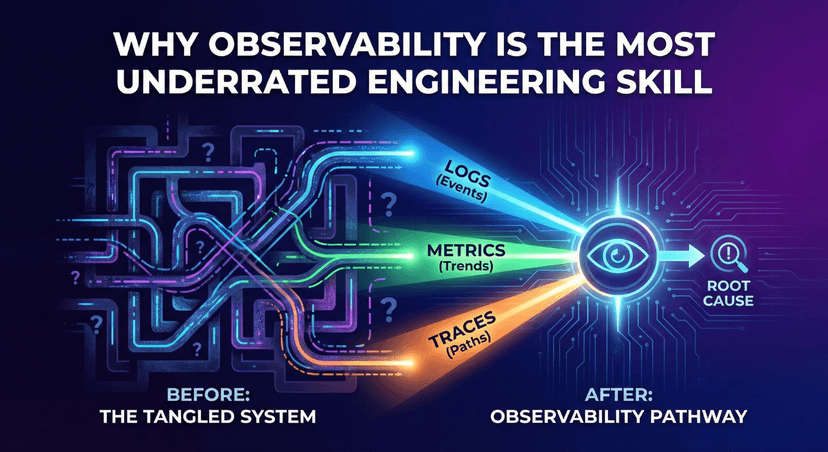
You can't fix what you can't see. Observability isn't just dashboards and alerts. It's a mindset that changes how you build, debug, and operate software.
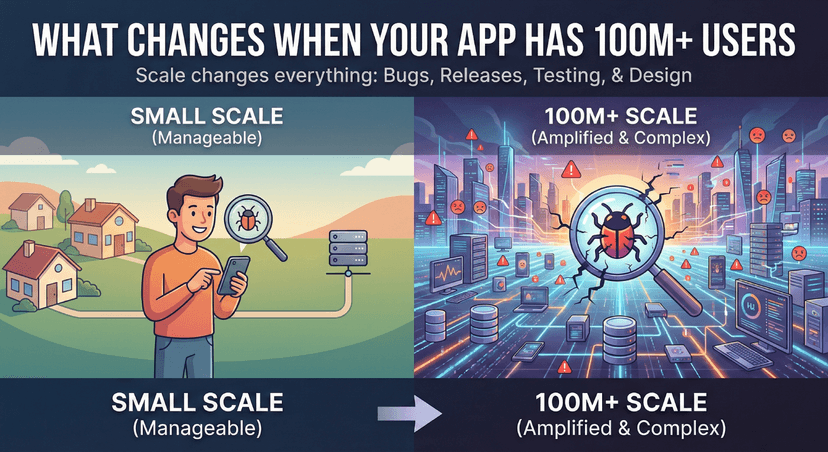
Scale changes how you think about code, releases, and testing. What shifts when your app serves 100M+ users and every decision has real consequences.

Production incidents are inevitable. How you handle them defines your growth as an engineer. Here's what I learned from my first major one.
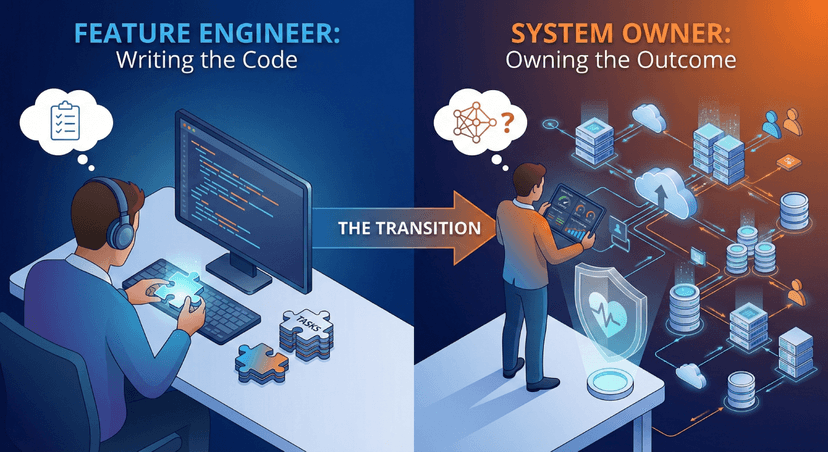
The transition from feature engineer to system owner is the biggest career leap most engineers make. What changed for me and what I wish I'd known.
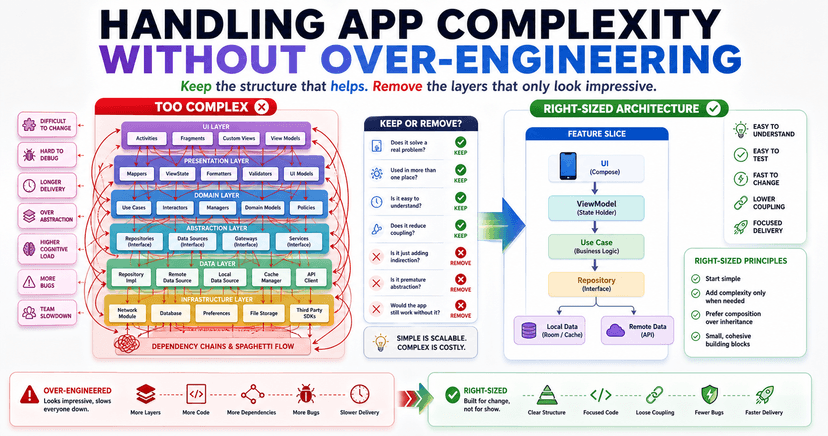
How I manage growing complexity in Android apps without falling into the trap of building abstractions nobody asked for.
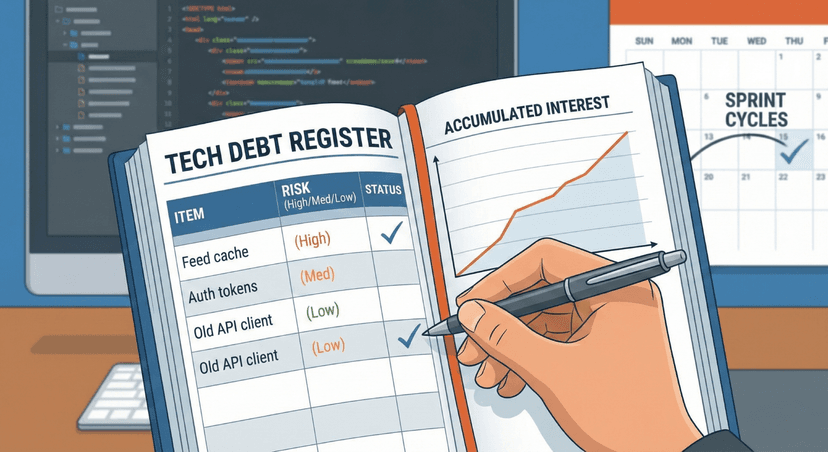
Tech debt isn't inherently bad. It's a tool. The problem is when teams accumulate it unconsciously, without tracking it or paying it down strategically.
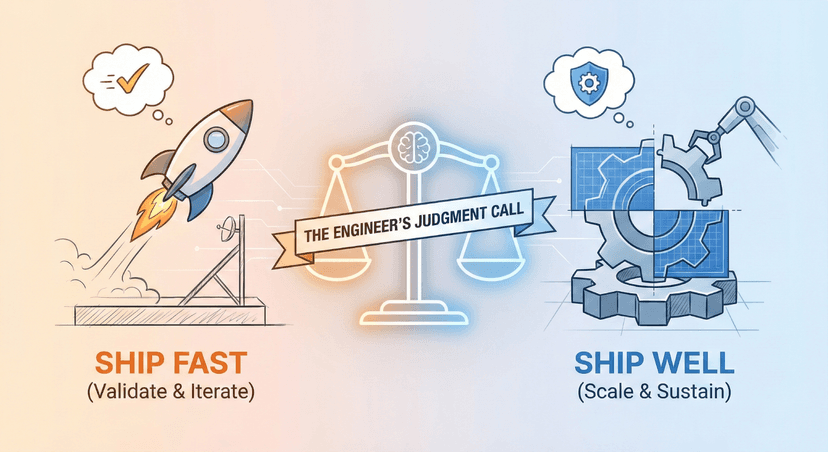
Speed and quality aren't always at odds. But when they are, knowing which one to optimize for is one of the most important judgment calls an engineer can make.
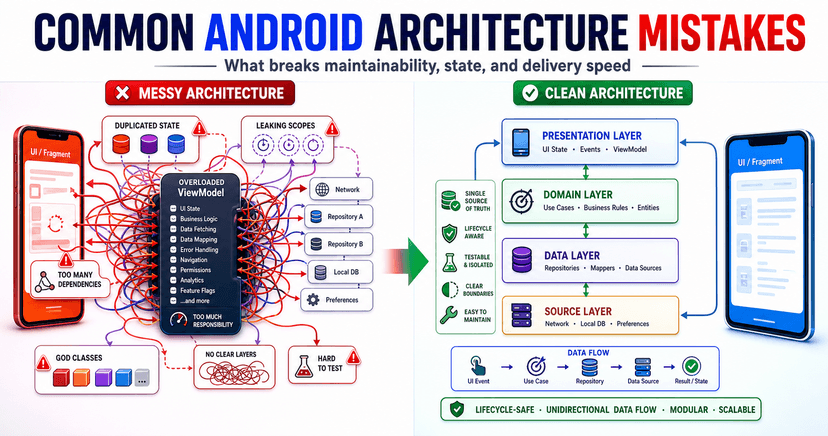
Five architecture mistakes I see repeatedly in Android codebases, from god activities to over-abstraction, and the practical patterns I use to avoid them.
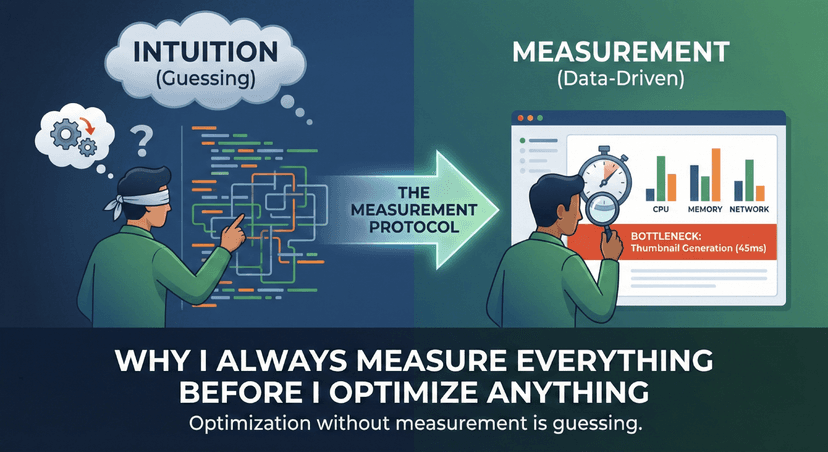
Optimization without measurement is guessing. And in my experience, engineers guess wrong about what's slow more often than they guess right.
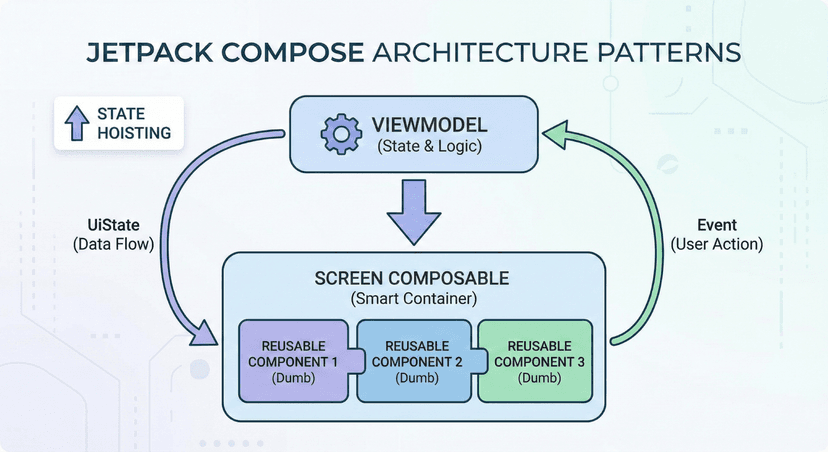
Practical architecture patterns for Jetpack Compose that work in real production Android apps at scale, covering state hoisting, navigation, and modularity.
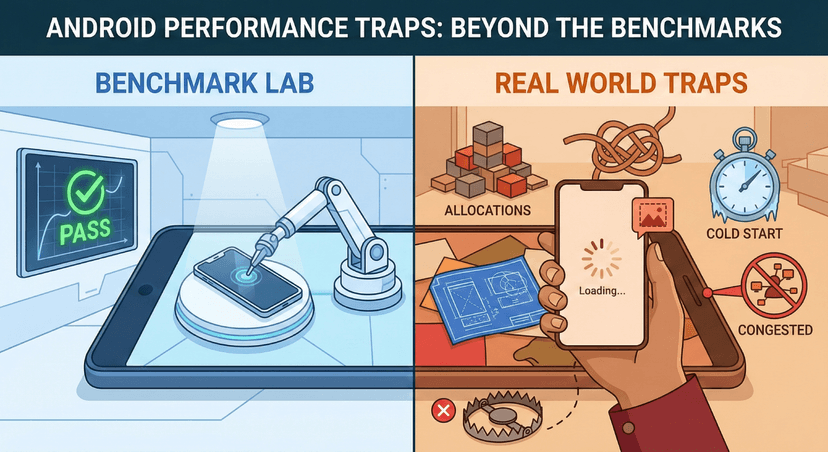
The Android performance problems that hurt users most only appear in the real world, on real devices, with real usage patterns. Here's how to catch them.
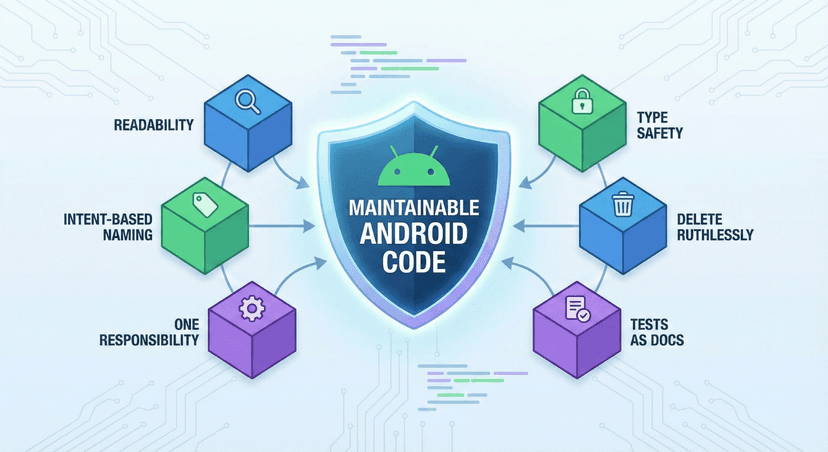
Code that works today but can't be changed tomorrow is tech debt waiting to happen. Here are the principles I follow to write Android code that lasts.
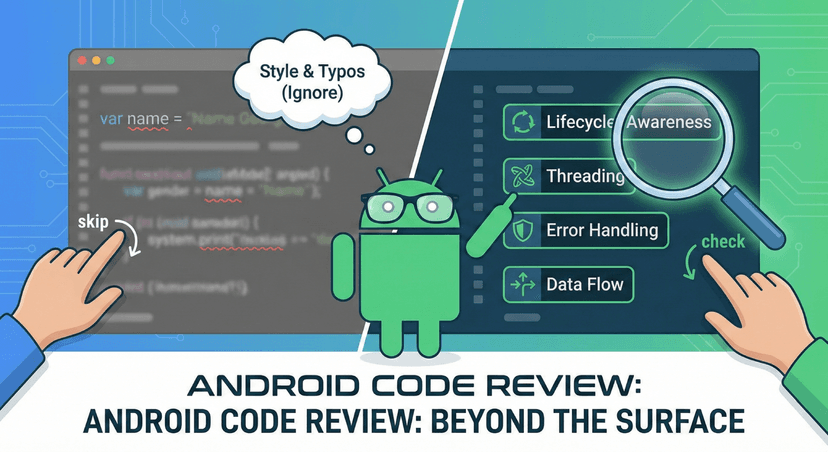
Code review isn't about catching typos. It's about protecting the codebase from subtle problems that compound over time. Here's what I actually focus on.
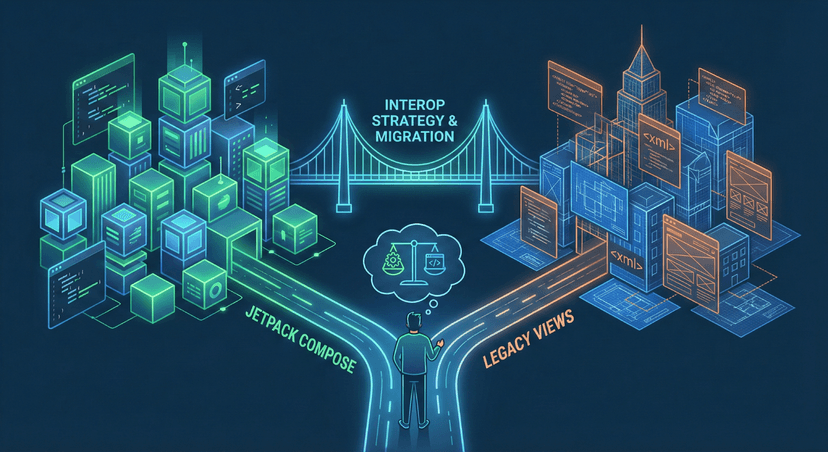
Compose is the future. Views are the present. When you're working in a codebase with years of XML layouts, the migration question gets complicated fast.
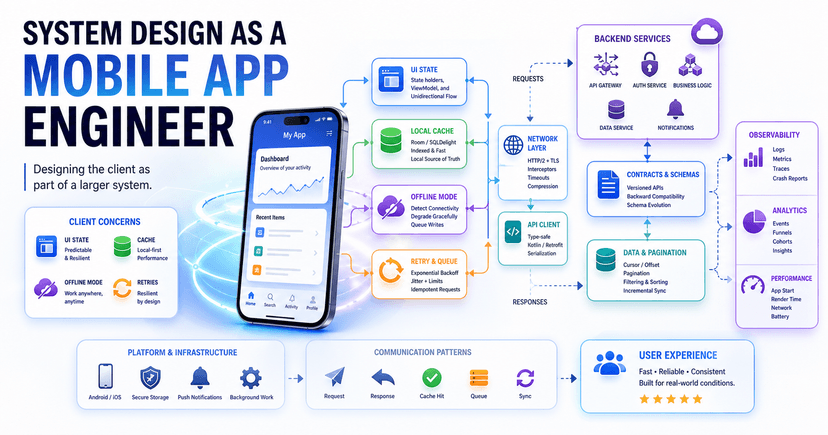
System design isn't just for backend engineers. Here's how I think about architecture, trade-offs, and scalability from the mobile side.

How I think about Android architecture after years of building apps at different scales. The practical version that survives real products and real teams.
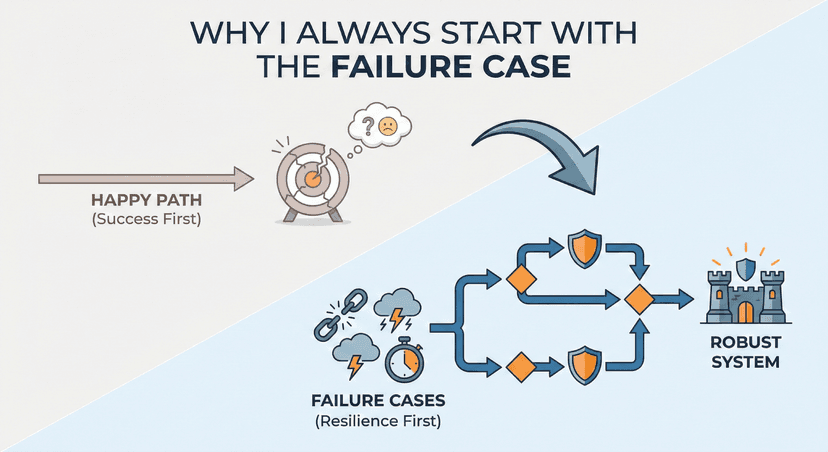
Why I design for failure before the happy path. Starting with how things break leads to better systems, fewer surprises, and more resilient code.
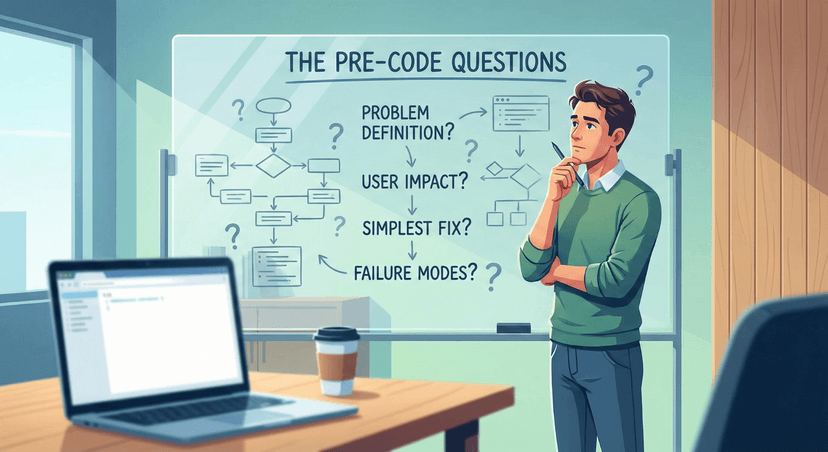
The most impactful thing I do as an engineer isn't writing code. It's asking the right questions before I start. Here's my checklist.